How a portable hookup works
An electrician mounts a weatherproof inlet box on the outside of the house and runs wiring to your panel. Inside, they add either a panel interlock, a metal plate that makes it impossible to turn on the generator breaker while the main breaker is on, or a manual transfer switch with a set of selected circuits. During an outage, you set up the generator outside, plug a heavy-duty generator cord into the inlet, and follow the shutdown and switchover steps your electrician shows you.

Why not just plug into an outlet?
Never connect a generator to a wall outlet or a dryer outlet with a homemade cord. This is called backfeeding. It can send power onto the utility lines and seriously injure line workers, and it can start a fire or damage your equipment. An inlet with an interlock or transfer switch is the safe, code-compliant way to connect.
Carbon monoxide warning
Portable generators produce carbon monoxide, which you cannot see or smell. Never run one inside the house, in a garage, in a basement or in a crawl space, even with doors open. Keep it well away from windows, doors and vents, and have working carbon monoxide alarms in the house. If an alarm sounds or anyone feels dizzy or sick, get outside and call 911.
Portable hookup or standby generator?
A portable hookup costs far less than a standby generator, and it is a solid choice for many homes. The tradeoffs are that someone has to be home to start it, it needs gasoline (or propane on some dual-fuel models) refilled during a long outage, and most portables can run only a handful of circuits. If you want automatic power while you are away or you need to run central air, a standby generator is the better fit.
- Tell the electrician your generator's wattage and outlet type
- Decide which circuits matter most: heat, well pump, sump pump, fridge, lights
- Ask where the inlet can go so the generator sits a safe distance from the house
- Ask about the permit; the electrician should pull it
Sizing your portable for the circuits you choose
Your electrician can help you list the circuits worth connecting and compare their combined load with the running and starting watts printed on your generator. Well pumps and older furnaces often have high starting loads. Picking a sensible set of circuits up front keeps the generator from tripping during an outage.
How a request works
Send a short request with your town and your generator's make and wattage if you know it. We pass it to an independent local contractor who can quote the inlet and interlock or transfer switch. They do the work; we only make the connection.
Typical portable hookup costs
Published national ranges, installed by an electrician.
| Item | Typical range |
|---|---|
| Interlock kit with inlet, installed | $400 to $850 |
| Manual transfer switch, installed | $400 to $1,300 |
Ranges are national averages from the sources below, not quotes. Panel brand, distance from the panel to the inlet, and permit fees affect the price.
Sources: HomeGuide, transfer switch and interlock cost; Angi, transfer switch installation cost
Questions homeowners ask
Is a generator interlock legal?
Interlock kits listed for your specific panel are widely accepted as a safe transfer method when installed by an electrician with a permit. Your electrician and local inspector confirm what is approved in your village or town.
Can a portable generator run my whole house?
Usually not. Most portables can run a few key circuits at a time. You choose which breakers to turn on so you stay within the generator's rating.
Where should the portable generator sit during an outage?
Outside, well away from windows, doors and vents, and never in a garage or under a closed porch. Follow the distance in your generator's manual and keep carbon monoxide alarms working inside.
Other services

Standby generator installation
Whole-home generators that start on their own when the power goes out.
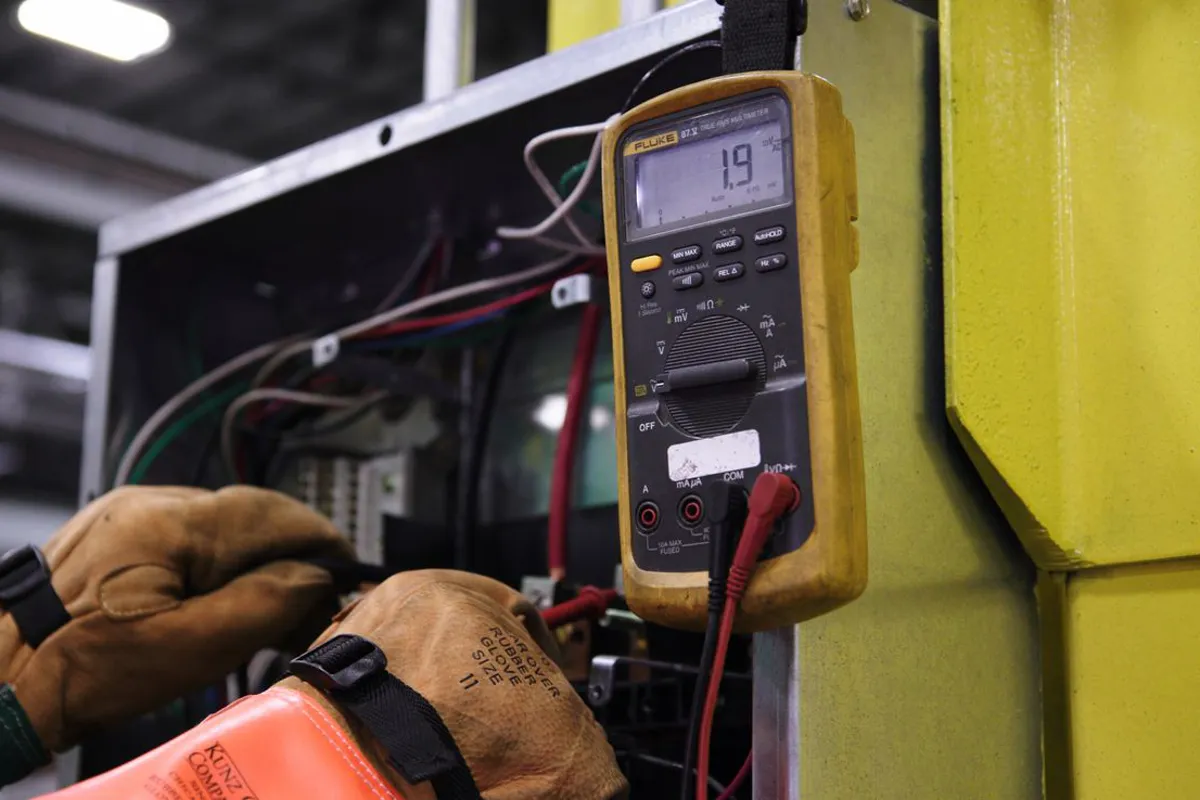
Generator repair
Generator will not start, will not transfer or shows a fault code.
Generator maintenance
Yearly service so your generator is ready before storm season.
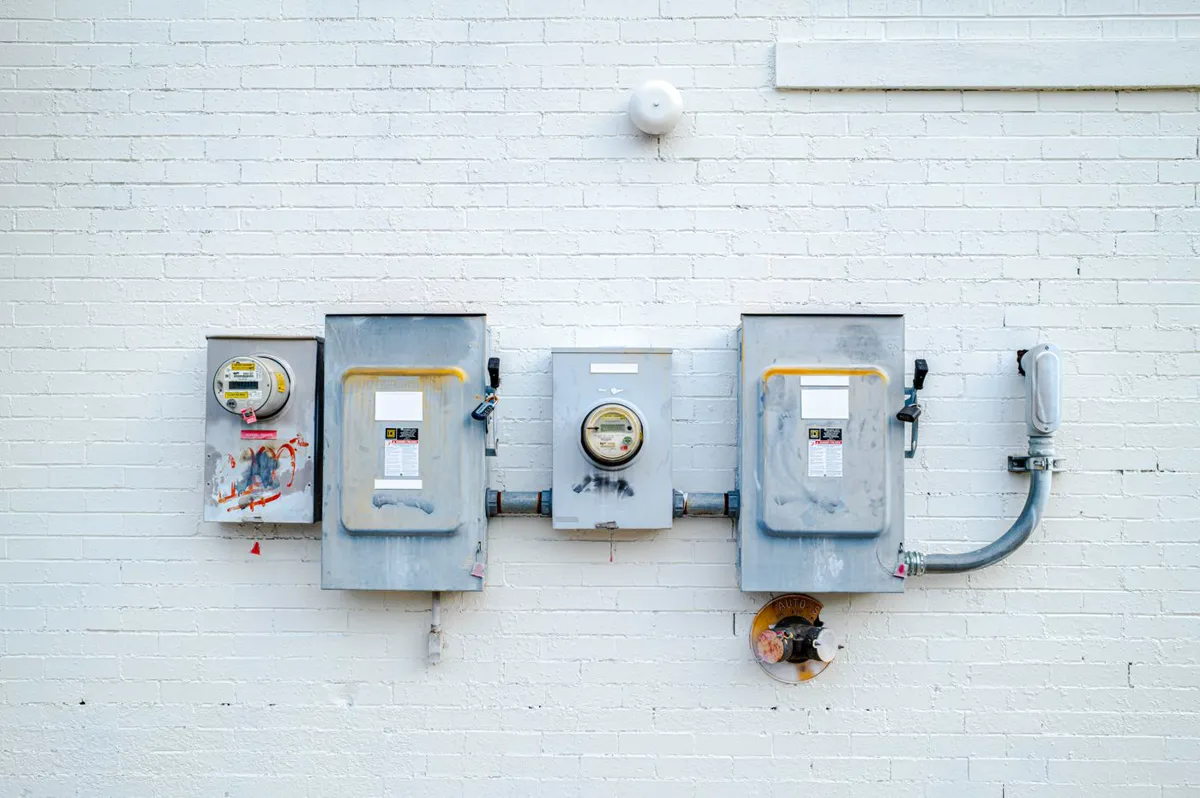
Automatic transfer switches
The switch that moves your house to generator power safely.
Generac home standby generators
A plain guide to Generac sizing, models and what to ask an installer.
Generator fuel options
Natural gas versus propane for a home standby generator.