Natural gas
Natural gas comes through the utility's underground main, so it does not run out during a normal outage and you never schedule a delivery. The generator connects to your existing gas service. The catch is capacity: a large generator plus your furnace, water heater and stove can need more gas than your current meter supplies. In that case the gas utility may need to upgrade the meter or service, which adds time and sometimes cost. Your contractor coordinates this with the utility.
In Westchester, Con Edison provides gas service in much of the county, but not every street has a gas main. Many homes on larger, more rural lots in the northern part of the county have no gas service at all.
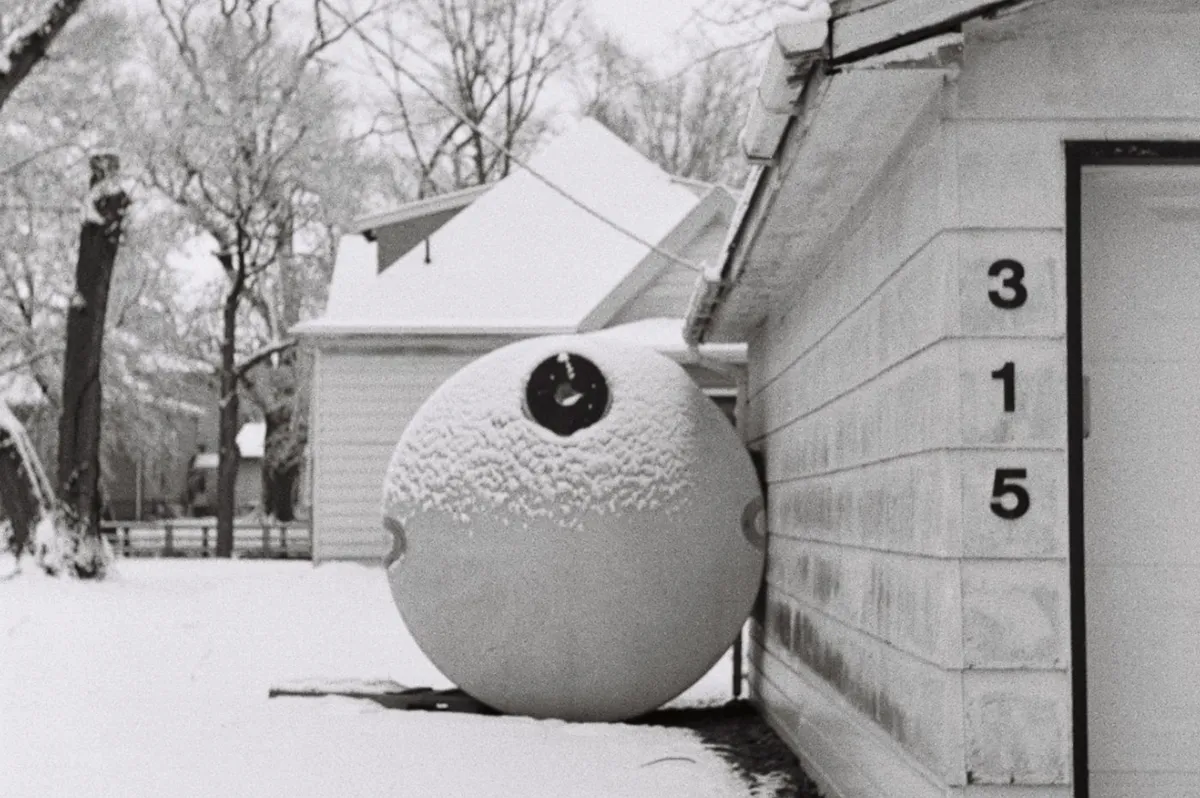
Propane
Propane is stored in a tank on your property, either above ground or buried, and refilled by a propane supplier. It works anywhere, which is why it is common on rural streets without gas mains. The tradeoffs are the tank itself, the need to keep it filled, and the limit on how long a full tank lasts during a long outage. Tank size should match the generator and how many days of run time you want.
Generators often produce slightly more power on propane than on natural gas. The spec sheet for any model lists both ratings.
Other fuels
Diesel standby generators exist but are more common in commercial settings. Portable generators usually run on gasoline, and some are dual fuel with propane. For a permanent home standby unit, natural gas and propane are by far the most common choices.
Safety and who does the work
All gas and propane piping should be installed by a qualified, licensed professional with the required permits. Do not attempt any fuel connection yourself. If you ever smell gas, leave the house immediately and call 911 or your gas utility from outside. Do not use switches, phones or anything that could spark inside.
Keep working carbon monoxide alarms in the house. A properly placed standby generator vents outdoors, but it still makes exhaust.
- Ask whether your gas meter can carry the generator plus your other appliances
- Ask who contacts the utility about any meter upgrade
- For propane, ask what tank size gives you the run time you want
- Ask whether the fuel work is in the quote and who pulls the permit
Get a fuel recommendation
Tell us on the estimate form whether you have gas service, propane or neither. We pass your request to an independent local contractor who can check your supply and recommend a fuel. They do the work; we only connect you.
Questions homeowners ask
Is natural gas or propane better for a home generator?
Natural gas is usually simpler if you have a gas main and enough meter capacity, since it never needs a delivery. Propane works anywhere and is common where there is no gas main. Your contractor recommends one based on your supply.
How long will a propane tank run my generator?
It depends on tank size, generator size and how much load the house draws. A contractor or propane supplier can estimate run time for your setup.
Will my gas meter need an upgrade?
Sometimes. A large generator plus your existing gas appliances can need more capacity than the current meter supplies. The installer checks this and coordinates with the gas utility.
Other services

Standby generator installation
Whole-home generators that start on their own when the power goes out.
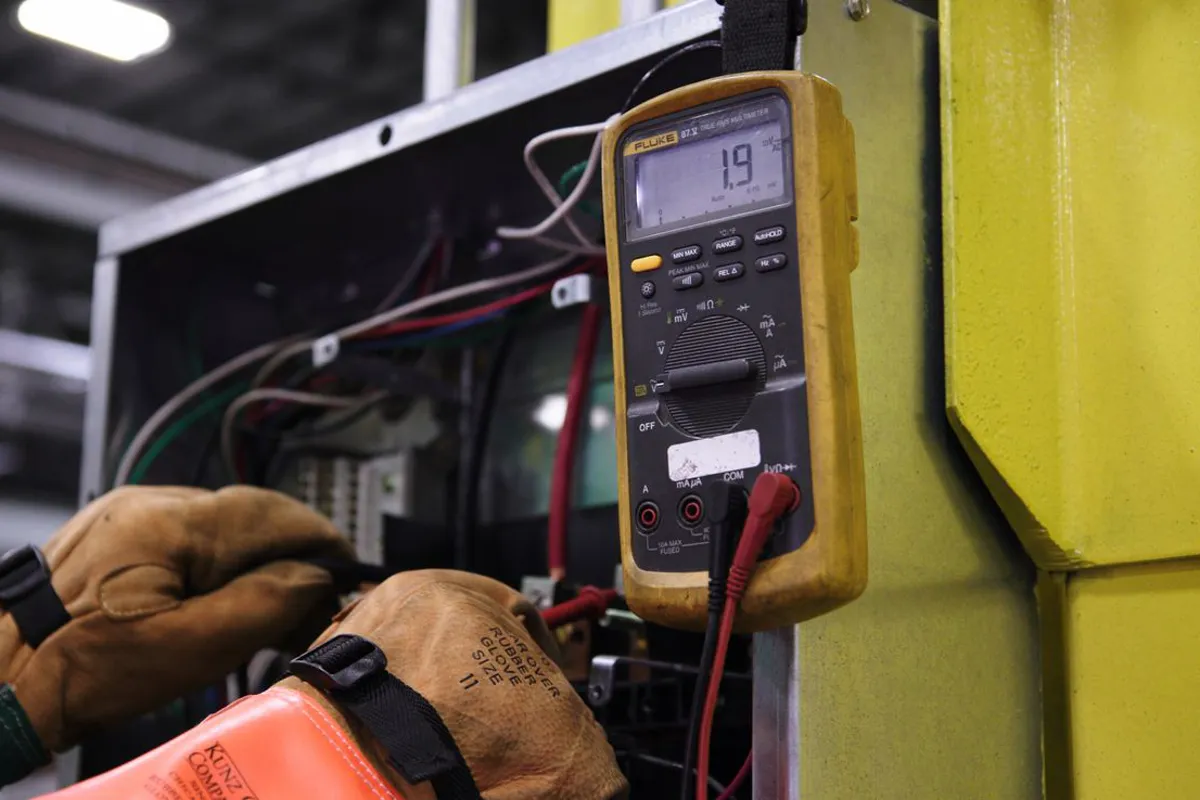
Generator repair
Generator will not start, will not transfer or shows a fault code.
Generator maintenance
Yearly service so your generator is ready before storm season.
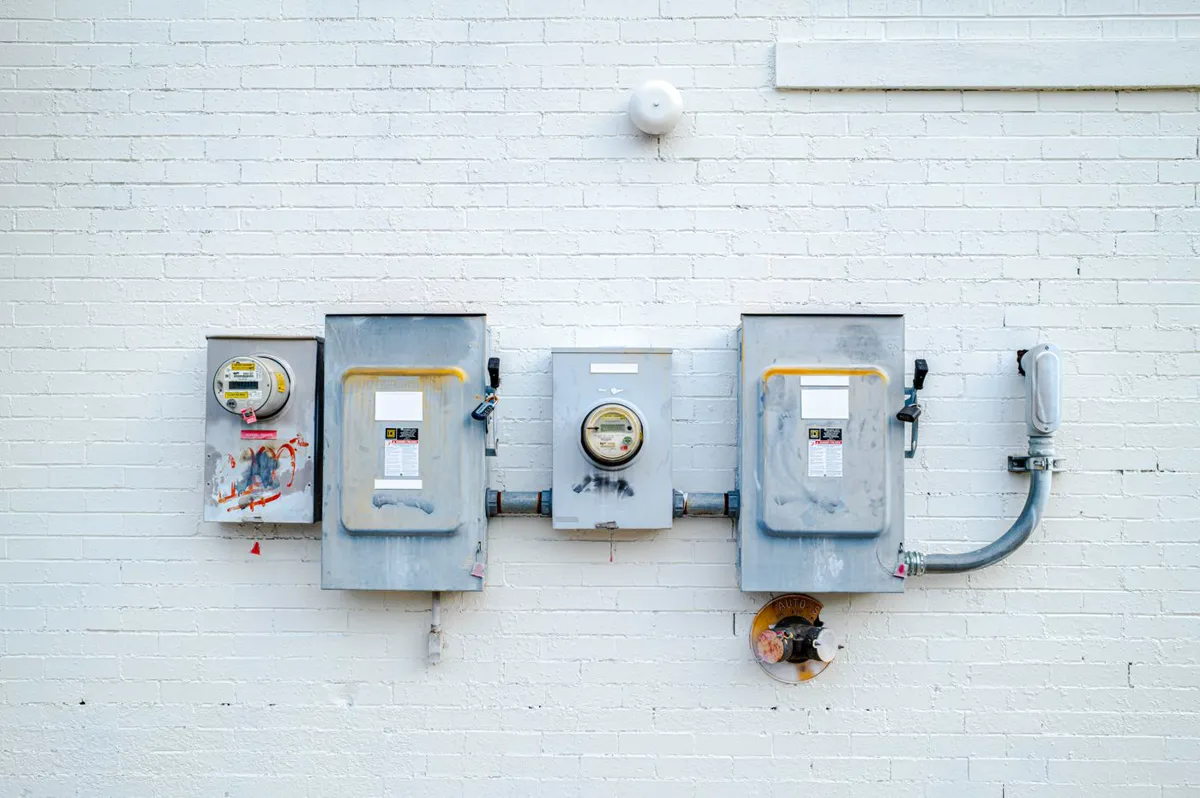
Automatic transfer switches
The switch that moves your house to generator power safely.

Portable generator hookups
Inlet box and interlock so a portable generator can feed your panel safely.
Generac home standby generators
A plain guide to Generac sizing, models and what to ask an installer.