What a standby generator does
A standby generator is wired into your electrical system through an automatic transfer switch. When the grid fails, the switch senses it, the generator starts, and within seconds power flows to the circuits it covers. When the grid comes back, the switch moves you back to utility power and the generator shuts down after a cool-down period. You do not have to be home for any of it.
That matters in northern Westchester, where wooded streets and overhead lines mean storms can leave homes without power for days. A standby unit keeps the heat, well pump, sump pump, fridge and lights going, and a larger unit can run the whole house.
What goes into a proper installation
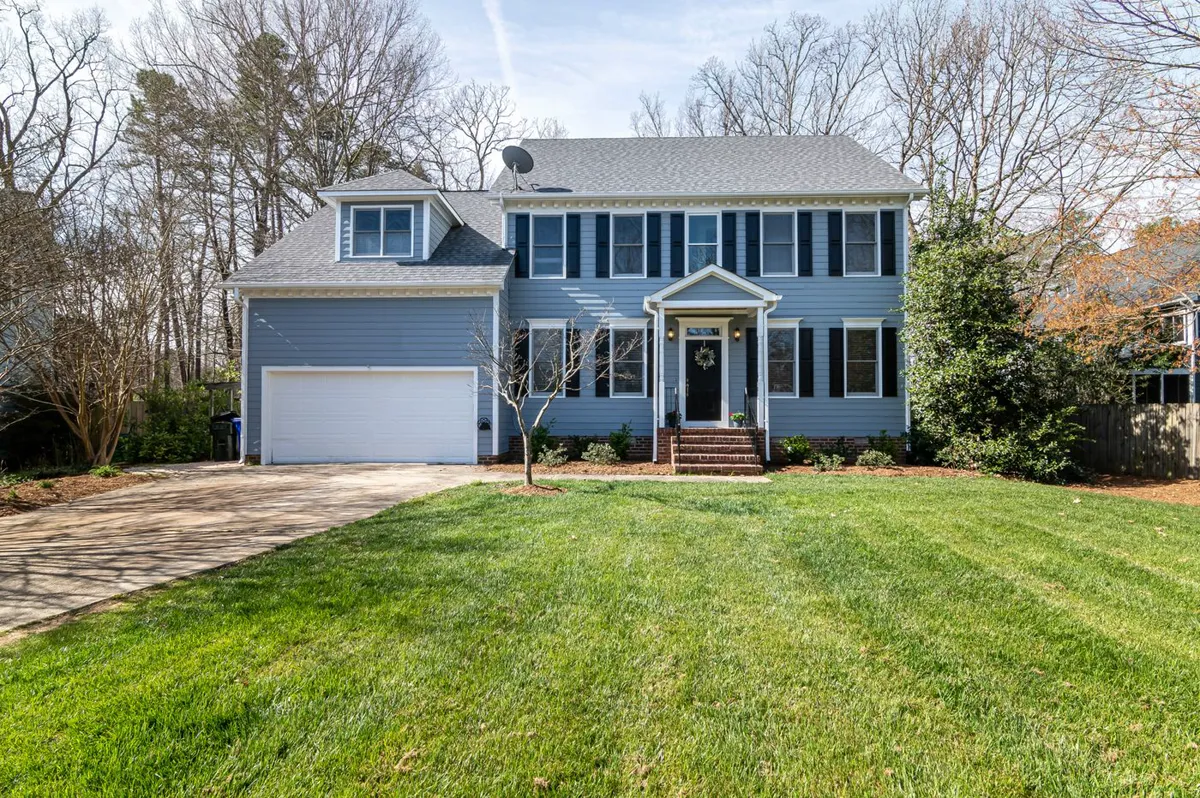
A good installer starts with a site visit. They look at your panel, your gas meter or propane plans, and where the unit can legally and sensibly sit. Then they give you a written quote that spells out what is included.
- Load calculation to size the generator for what you want to run
- Transfer switch sized for your service, often 200 amps for a whole-home setup
- Pad or base that is level and suited to your yard
- Fuel connection by a qualified gas fitter, including any gas meter upgrade the utility requires
- Electrical permit and inspection pulled by the contractor
- Start-up and walkthrough so you know how the unit and its alerts work
Sizing in plain terms
Generators are sized in kilowatts. Smaller air-cooled home units cover essential circuits. Mid-size units can run most of a typical house. Larger homes with central air, electric cooking or several big loads may need a large air-cooled unit or a liquid-cooled model. Some installers use load management modules that let a smaller generator run the whole house by holding back big appliances until there is room. Ask for the sizing in writing and ask what will and will not run.
Placement, noise and local rules
Manufacturers set minimum clearances from windows, doors, vents and other openings because generators make exhaust. Many villages and towns in Westchester also have setback and noise rules, and some have extra review in historic districts. Your contractor should check these before choosing a spot and should pull the permit. Most standby units run a short self-test on a schedule, so it helps to pick a time that suits you and your neighbors.
How to compare quotes
Check that each quote names the generator model and size, the transfer switch, the fuel work, the pad, the permit and who handles the inspection. Ask about the manufacturer warranty and whether the installer registers it. Confirm the contractor holds a Westchester County home improvement license and carries insurance. A lower number that leaves out the gas work or the permit is not really lower.
Typical standby generator costs
Published national ranges. Westchester jobs often fall toward the higher end.
| Item | Typical range |
|---|---|
| Standard whole-house generator, installed | $6,000 to $11,000 |
| Larger unit (above 20 kW) or long runs, installed | $9,500 to $24,000 |
| Automatic transfer switch, installed | $600 to $2,500 |
Ranges are national averages from the sources below, not quotes. Your price depends on size, fuel, distance to the panel and meter, and any upgrades.
Questions homeowners ask
How long does a standby generator take to kick on?
Usually a matter of seconds. The transfer switch senses the outage, starts the generator and moves your circuits over once it is running steadily. The exact delay depends on the model and its settings.
Can a standby generator run my whole house?
Yes, if it is sized for it. Many homeowners choose a unit for essential circuits only, which costs less. Your installer can explain both options from a load calculation.
Where can a generator go on my property?
It has to meet the manufacturer's clearances from windows, doors and vents plus any local setback and noise rules. Your contractor checks these during the site visit.
Does my installer handle the permit?
They should. Ask the contractor to confirm in the quote that they will pull the electrical permit and any other permits your village or town needs, and arrange the inspection.
Other services
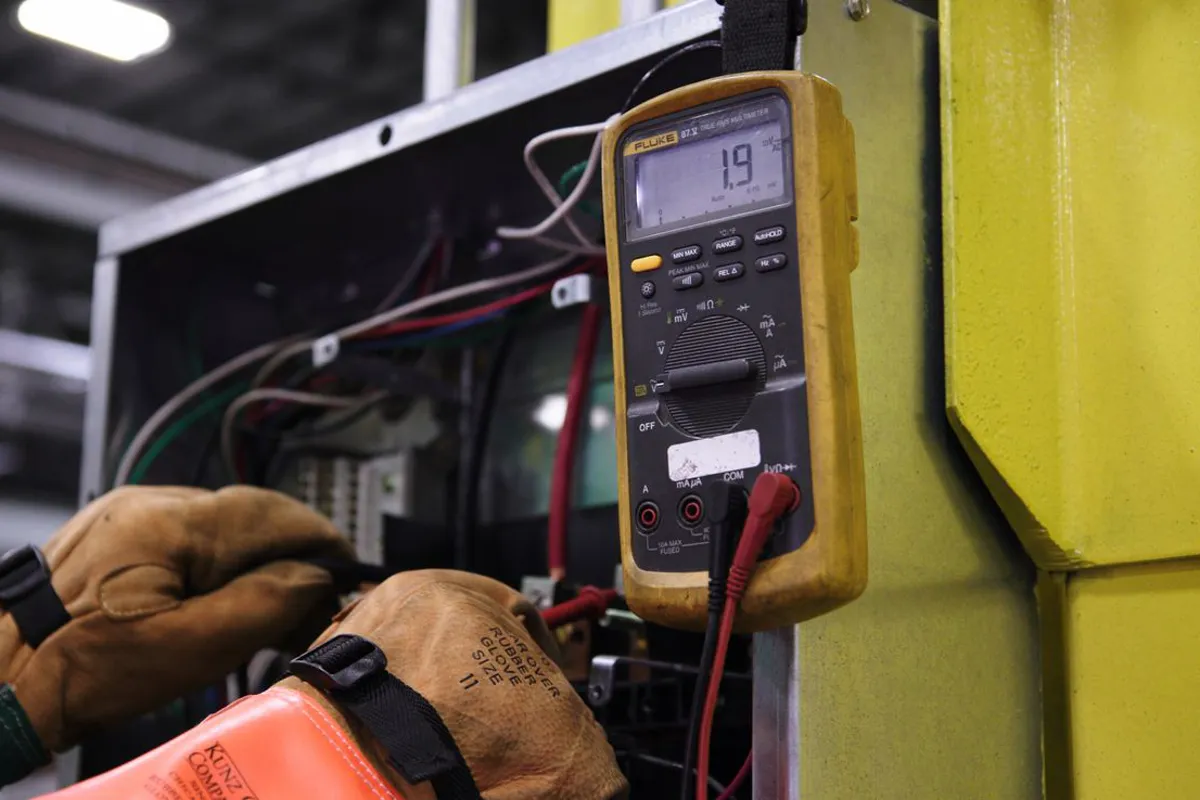
Generator repair
Generator will not start, will not transfer or shows a fault code.
Generator maintenance
Yearly service so your generator is ready before storm season.
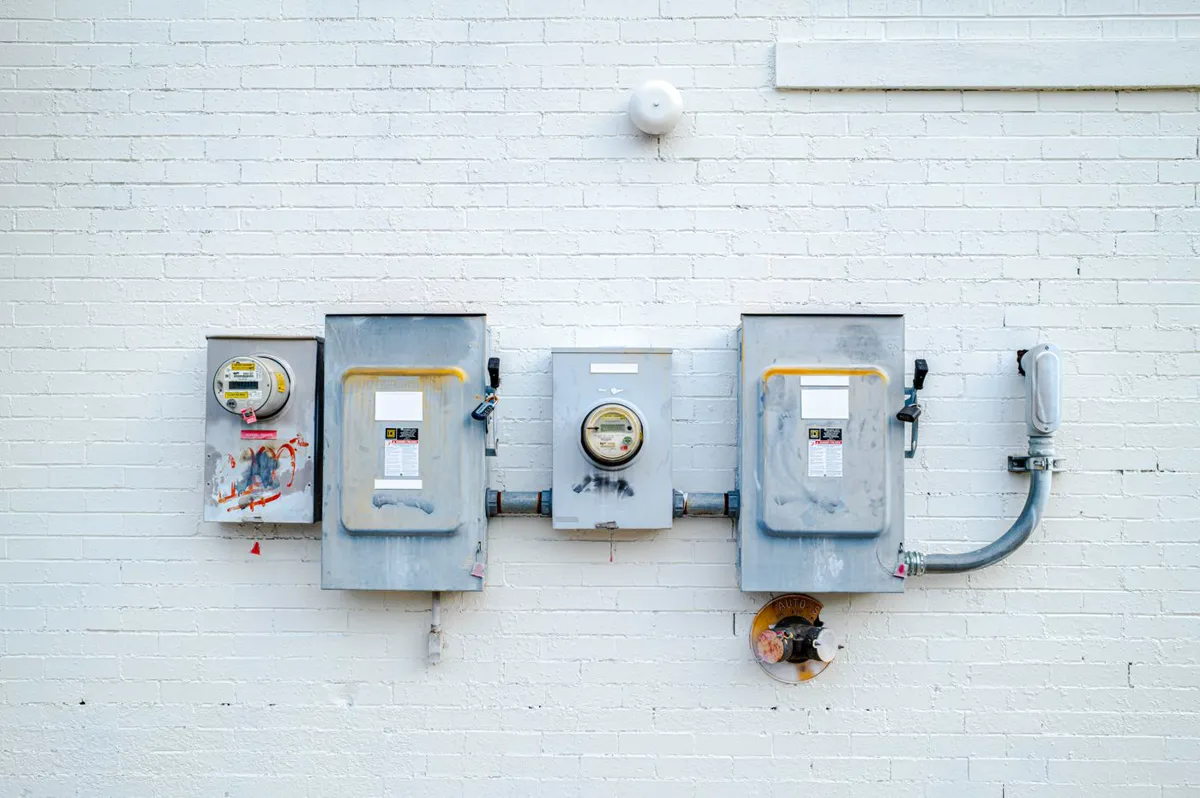
Automatic transfer switches
The switch that moves your house to generator power safely.

Portable generator hookups
Inlet box and interlock so a portable generator can feed your panel safely.
Generac home standby generators
A plain guide to Generac sizing, models and what to ask an installer.
Generator fuel options
Natural gas versus propane for a home standby generator.